If you have ever looked at a Gramercy Park address and wondered why it carries such lasting cachet, the answer is more specific than simple Manhattan prestige. You are not just buying an apartment on a pretty block. You are often buying into a rare combination of private park access, historic streetscape, and a quieter residential setting that is unusually hard to replicate in New York. Let’s look at what that address really means in practice.
Gramercy Park means private access
What makes Gramercy Park different starts with the park itself. Under an 1831 deed and the current trust structure, the park is cooperatively owned by the lot owners of the 39 buildings on the original lots around it, managed by five lifetime trustees, and funded through annual assessments tied to maintenance, security, horticulture, repairs, and events.
That matters because access is not public and it is not simply neighborhood-wide. In practical terms, the right to use the park is tied to key-bearing buildings and their residents, along with guests of those residents. If you live in Gramercy more broadly, that does not automatically mean you can enter the park.
For many buyers, this is the heart of the premium. A Gramercy Park address can offer something very few Manhattan addresses can: access to a private green space that remains tightly governed and intentionally limited.
Not every Gramercy address includes park access
This is one of the most important distinctions to understand. A home near Gramercy Park and a home with rights connected to the park are not the same thing.
Older coverage from the Gramercy Park Block Association described roughly 400 keys in circulation and noted that keys were tied to the original lots. It also referenced historical key and replacement fees, but those figures should be viewed as historical context rather than current pricing. The more durable takeaway is that access is scarce, address-based, and part of what buyers value.
Public access is extremely limited
Gramercy Park is famous partly because so few people get inside. Historically, the traditional public exception has been the Christmas Eve opening for caroling.
That long-standing limitation reinforces the sense that this is not just another park-facing address. It is a private amenity with social and symbolic value, not simply a nice view.
The real premium is micro-location
When buyers pay more in Gramercy, they are not paying for one neighborhood-wide experience. They are paying for a very specific micro-location premium.
Market trackers use different methods, so headline numbers vary. Current snapshots place Gramercy broadly in the low-to-mid seven figures, with reports ranging from about $915,000 median sale price to about $1.23 million, while typical home value and median list price data also sit around the low seven figures. Across sources, the pattern is consistent even if the exact number shifts.
Park-block homes command the strongest pricing
The highest premium is generally attached to the blocks along the park itself. StreetEasy notes that the townhouses and established co-op buildings along the park command some of the highest asking prices in the city.
That pricing is not just about square footage. It reflects scarcity, privacy, and a more controlled streetscape. Buyers are often valuing a setting that feels sheltered and highly curated, even within Manhattan.
Farther east, the market changes
The broader Gramercy area offers a different value proposition. As you move farther east, the housing stock becomes more mixed, with more walk-ups and larger apartment buildings, and pricing tends to be lower.
That does not make those blocks less appealing. It simply means the neighborhood contains more than one submarket. If you are evaluating value, it is important to separate “Gramercy” as a broad label from “park-facing Gramercy” as a rarer product.
What the address buys beyond the apartment
A Gramercy Park address is as much about environment as it is about interiors. For many buyers, the purchase is really a decision about how they want Manhattan to feel day to day.
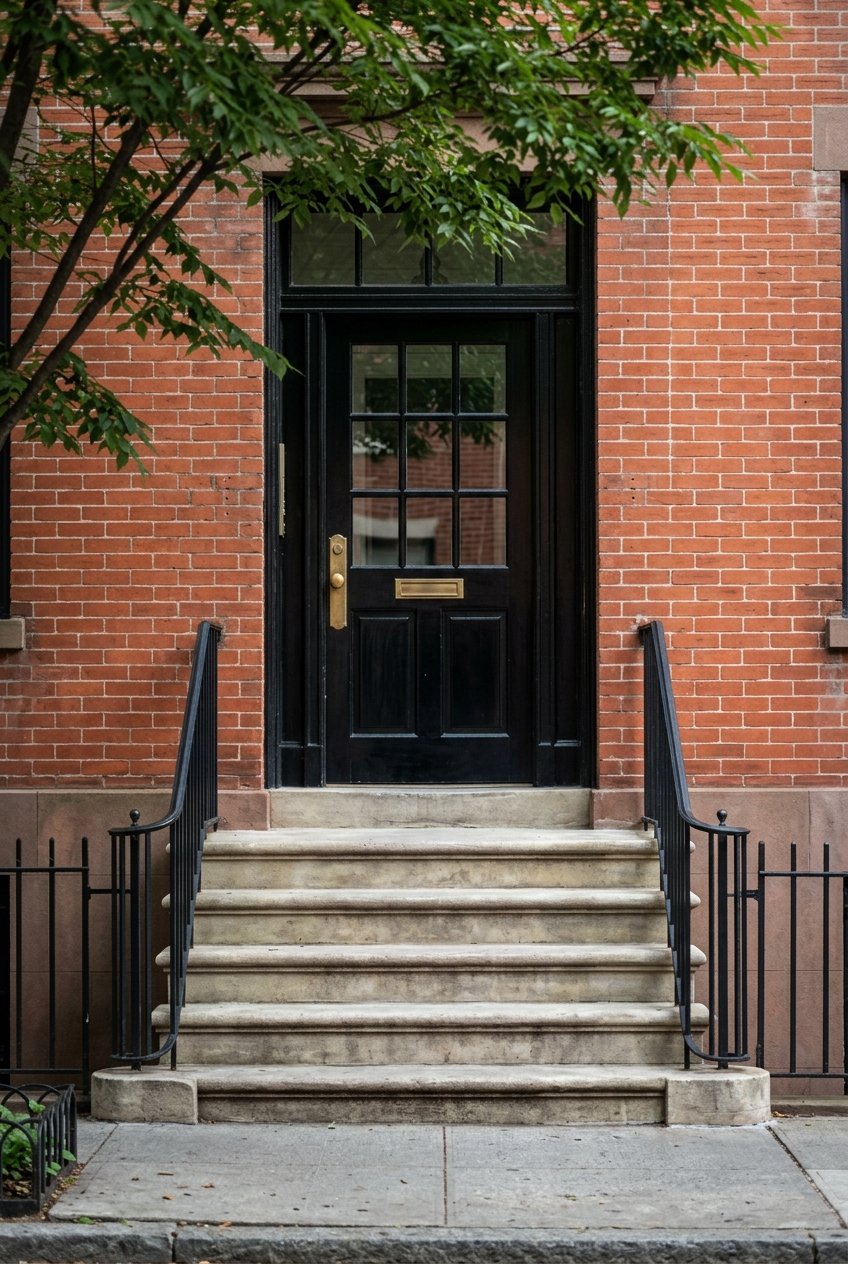
The neighborhood’s low-rise character is a major part of that. The Landmarks Preservation Commission’s 1966 designation report described Gramercy Park as a graceful, quiet square, with a majority of its Anglo-Italianate, Greek Revival, and Gothic Revival houses still intact, along with brownstone and brick dwellings, cornices, lintels, and ironwork that shape the district’s visual identity.
Preservation helps protect the experience
The original historic district was designated in 1966, with an extension designated in 1988. That preservation framework helps explain why Gramercy still reads as a cohesive residential enclave rather than just another busy Manhattan corridor.
The Gramercy Park Block Association has also stated that it actively pushes back against threats such as tall buildings, nightlife, bars, and commercial development pressures. For a buyer, that helps clarify what the premium supports: a setting that has remained visually and functionally more residential than many nearby areas.
Quiet in Manhattan has real value
StreetEasy describes Gramercy Park as quiet and laid-back, with less congestion than surrounding neighborhoods, and identifies the park as the heart of the area. That observation lines up with what many buyers are actually seeking when they focus on this pocket of Manhattan.
You are still in the city, with all the convenience that implies. But the daily experience can feel more village-like, tree-lined, and contained. In a market where noise, traffic, and constant turnover can shape block-by-block quality of life, that distinction matters.
Lifestyle matters here too
The premium is not only about privacy and architecture. It is also about the balance Gramercy offers between calm residential blocks and easy access to dining and activity nearby.
Eater’s 2025 Flatiron and Gramercy dining guide highlights a wide nearby restaurant mix that includes Gramercy Tavern, Casa Carmen, Maki Kosaka, Coqodaq, Bōm, and La Tête d'Or. The range spans classic American, Mexican, sushi, Korean fried chicken, and French steakhouse dining.
You can have quiet without isolation
This is an important part of the appeal. Gramercy’s quieter blocks do not mean you are cut off from the energy of downtown Manhattan.
Instead, you get a more insulated home base with convenient access to active dining corridors beyond the park itself. For many buyers, that balance feels more sustainable than living directly in a busier entertainment zone.
Who benefits most from a Gramercy Park address
A Gramercy Park address tends to resonate with buyers who value discretion, predictability, and long-term neighborhood character. If you care about a controlled setting, historic architecture, and one of Manhattan’s most unusual private amenities, the premium can make sense.
It may be less compelling if your priority is maximizing size at a given price point. Since the strongest premium is tied to the park blocks, buyers focused primarily on interior square footage often find more space or a different building mix elsewhere in Gramercy or nearby neighborhoods.
Questions to ask before you buy
If you are considering this market, a few practical questions can help you separate the romance from the reality:
- Does the specific building include rights associated with park access?
- Are you buying the park-block experience or the broader Gramercy location?
- Is your priority privacy and setting, or interior size and value?
- How much weight do you place on historic character and a low-rise streetscape?
- Do you want quiet residential blocks with nearby dining, rather than nightlife on your doorstep?
These are the questions that usually determine whether Gramercy Park feels merely attractive or truly worth the premium.
The bottom line on value
What a Gramercy Park address really buys you is not just an apartment in Manhattan. At its highest level, it buys access to a private park, participation in a rare and tightly held residential setting, and a neighborhood character shaped by preservation and scarcity.
That premium is strongest on and around the park itself. Beyond those blocks, Gramercy still offers charm and convenience, but usually at a different price point and with a different day-to-day feel.
If you are weighing whether Gramercy Park is the right fit for your goals, a nuanced view matters more than a headline number. For discreet, strategic guidance on Manhattan luxury purchases and resales, connect with Kathy Kaye.
FAQs
Can any Gramercy resident enter Gramercy Park?
- No. Access is tied to key-bearing buildings and the rights connected to the original lots around the park, not to the broader neighborhood as a whole.
Is Gramercy Park open to the public in New York City?
- In general, no. Historically, the traditional public exception has been the Christmas Eve opening for caroling.
Are all Gramercy addresses priced the same way?
- No. Park-block townhouses and co-op buildings typically command the strongest premium, while farther-east blocks tend to have a more mixed housing stock and generally lower pricing.
What are buyers really paying for in Gramercy Park?
- Buyers are often paying for scarcity, private park access, a quieter residential environment, and a historically preserved low-rise streetscape.
Why does Gramercy Park feel different from nearby Manhattan neighborhoods?
- The combination of private park governance, landmarked architecture, and ongoing efforts to preserve a residential character helps the area feel quieter and more intact than many surrounding neighborhoods.