Love the look of soaring windows, iron columns, and timber beams, but want to be sure the bones and approvals are as strong as the aesthetics? If you are exploring Tribeca lofts, you can get authentic character and modern performance with the right plan. In this primer, you will learn how to read cast-iron architecture, anticipate renovation needs like sound and HVAC, and run the due diligence that protects your investment. Let’s dive in.
What defines cast-iron lofts in Tribeca
Cast-iron lofts grew from 19th-century industrial buildings that used prefabricated cast-iron elements for facades and interior columns. SoHo is the archetype, and adjacent Tribeca includes buildings with similar loft characteristics. Cast iron allowed larger window openings and slender vertical members, which is why these homes feel bright and expansive.
Buyers who want an authentic loft usually prioritize a few hallmark features:
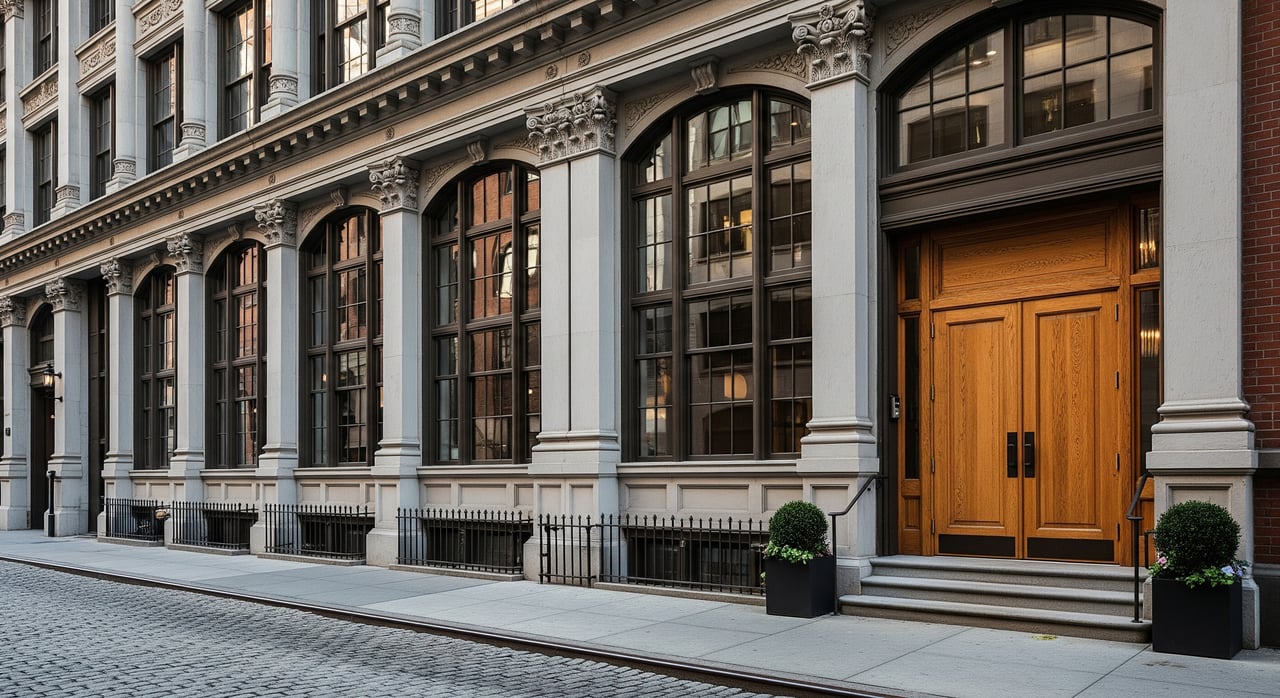
- Facades: cast-iron columns, pilasters, and decorative elements on street-facing elevations, often painted. If the building is landmarked or in a historic district, facade conservation rules may apply.
- Interior columns: cast-iron or heavy timber posts set in regular bays that often remain exposed and sculpt the space.
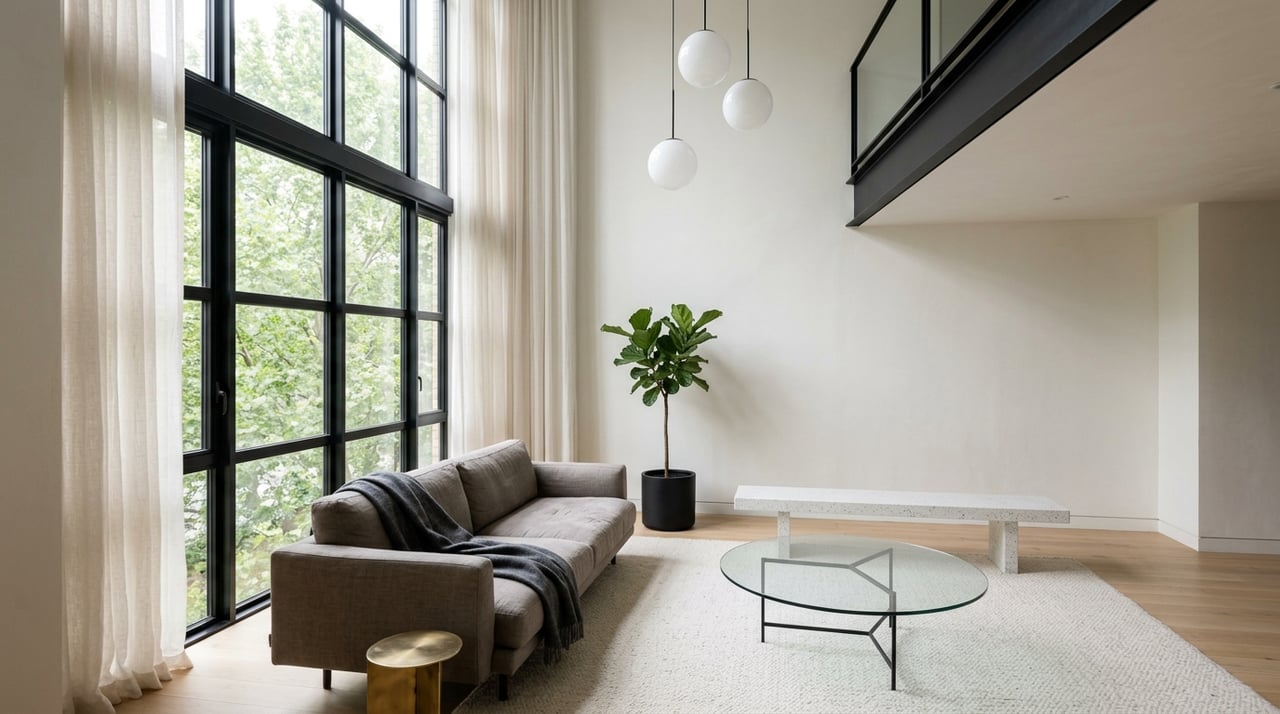
- Ceiling heights: commonly higher than typical apartments. Historic lofts often range around 12 to 16 feet, and some units or duplexes can reach 18 to 20 or more. Treat these as typical ranges only, and confirm exact heights on floor plans and by inspection.
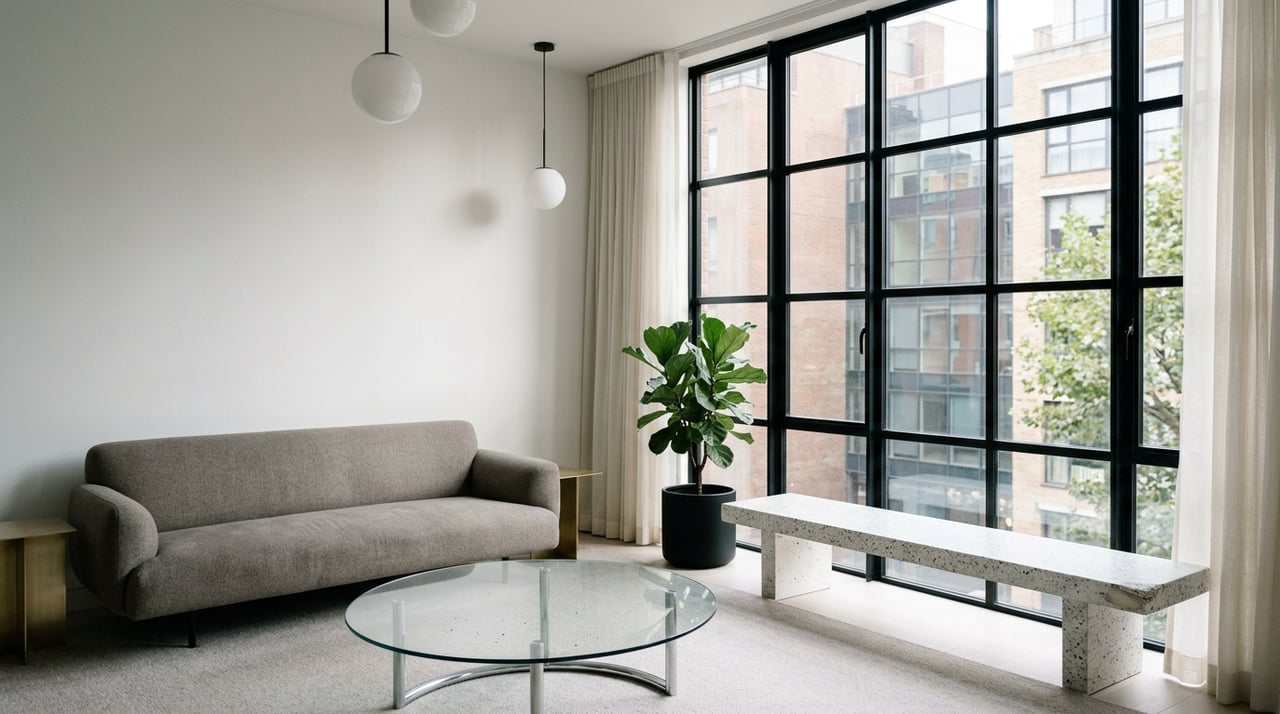
- Windows: tall, multi-pane openings frequently 8 to 12 feet high, with bay widths commonly 12 to 20 feet in industrial-era stock. Exact dimensions vary by building.
- Open plans and materials: wide floorplates with repetitive column grids, timber plank floors, brick party walls, and visible mechanicals like ductwork and piping.
Structure basics you should know
Understanding how these buildings stand up helps you plan upgrades without surprises.
- Load paths and columns: slender cast-iron columns carry loads to the foundations, and timber joists span between columns and walls. Column locations usually mark load-bearing lines. Altering or removing them affects structure, which requires an engineer’s review and permits.
- Floors and live loads: original floors were built for industrial use, so live-load capacity can be high. Condition still matters. If you plan heavy items like large soaking tubs, stone slabs, or mezzanines, verify floor flatness, deflection, and load capacity. Look for rot or prior modifications such as sistered joists.
- Foundations and settlement: historic warehouses can show differential settling. Signs include sloped floors, cracked masonry, or doors and windows that misalign. A structural engineer should evaluate before you commit.
- Openings and windows: many lofts have original steel or wood frames, while others have modern glazing. In a landmarked building, window replacement generally requires review and approval. Expect replication of profiles and careful detailing.
Renovation realities in historic lofts
Bringing a cast-iron loft to modern comfort often means planning for acoustics, mechanicals, and code. You can achieve high performance while respecting the character with the right team.
Sound and privacy upgrades
Lofts can carry sound because of open plans, long spans, and timber floor assemblies. You can reduce both airborne and impact noise with targeted assemblies.
- Floor-to-floor control: use acoustic underlayments and floating floor assemblies, add isolation pads under sleepers, or incorporate resilient channels with multiple gypsum layers below. Mass-loaded vinyl can help where specific frequencies are a concern.
- Walls and partitions: decouple drywall with double studs or resilient channels, add mineral wool in cavities, and seal air gaps with care around outlets and penetrations.
- Windows and doors: upgrade with acoustic glazing or secondary glazing inside the frame, and use solid-core doors with perimeter gasketing and drop seals.
- Mechanical noise: place HVAC equipment on vibration isolators, add flexible duct connectors, and use acoustic duct liners to limit duct-borne sound.
There are tradeoffs. Added acoustic mass may lower ceiling height and can cover exposed structure. A preservation-minded architect can help you integrate isolation layers without losing the look you love.
Mechanical, electrical, and plumbing
Expect modern comfort systems to be a priority. Approach them with a plan that fits the building’s constraints and approvals.
- HVAC: many original lofts do not have ducted central systems. Common solutions include zoned ducted systems, multi-split mini-splits that reduce duct runs, and in some luxury renovations, hydronic radiant floors or walls. Condensers often belong on the roof or in a courtyard, which requires structural review and building or landmark approvals.
- Electrical: older properties can have undersized service or aging wiring. Rewiring to support modern kitchen loads, AV, and EV charging is typical. Many luxury conversions seek 200-amp service.
- Plumbing: bath and kitchen locations depend on access to soil stacks and drains. Stack locations can limit where full-height wet walls go without major work. Kitchen ventilation and proper grease management must meet local code.
- Life safety: conversions typically require fire separation, protected means of egress, and sprinklers per code. Many historic conversions already include sprinklers and self-closing fire doors. Concealed or recessed sprinkler heads can reduce visual impact but require coordination.
- Energy and insulation: historic facades limit exterior insulation. Interior approaches like insulated stud walls and dense-pack cavities are common. Glazing upgrades should balance thermal performance with preservation requirements.
Preservation and approvals in Tribeca
If your building is in a historic district or is individually landmarked, exterior work usually needs Landmarks approvals. That can include window replacements, storefront work, cornice repairs, and visible mechanical equipment on the roof. Interior work is typically less regulated unless the interior itself is landmarked. Any project that needs scaffolding or a sidewalk shed will also trigger Department of Buildings permits and coordination, which can influence schedule.
Legal status and the Loft Law
Many Tribeca lofts started life as commercial or manufacturing spaces. You need to confirm the legal path that allows residential use.
- Certificate of Occupancy: verify the building’s certificate and the unit’s legal classification. A residential use in a building with a commercial certificate can affect financing and insurance.
- Loft Law and the Loft Board: Article 7-C provides protections and a legalization pathway for qualifying interim multiple dwellings. Check whether the building or unit is registered, and whether there are outstanding orders or required work.
- Condos and co-ops: confirm that the conversion was formalized and that the unit’s residential description is accurate.
Legal status influences mortgage underwriting, insurance, and potential legalization costs. Clear answers here protect your closing timeline and your long-term options.
Due diligence checklist for buyers
Use this list to organize requests and site visits early in your contingency window.
Building and legal status
- Certificate of Occupancy and any amendments
- Loft Board registration records, if applicable, and any outstanding orders
- Landmark status confirmation and any prior approvals, if applicable
Permits and history
- Department of Buildings permit history for renovations and certificates of completion
- Open violations and any administrative judgments
- As-built drawings or complete building plans, if available
Professional reports
- Structural engineer report focused on columns, joists, deflection, and foundation
- Architect review to test feasibility, scope, and likely permit triggers
- MEP assessment for electrical capacity, plumbing stacks, HVAC options, and condenser placement
- Environmental testing for asbestos and lead-based paint, and mold if moisture is suspected
Condo or co-op documentation
- Offering plan and any amendments
- Bylaws, house rules, proprietary lease for co-ops, and board minutes from the last 12 to 24 months
- Reserve studies, pending or recent assessments, insurance details, and rules for roof, basement, or mechanical areas
Transaction records
- All prior engineering or inspection reports the seller holds
- Insurance claims history related to the unit or building
Planning and budgeting in Tribeca
Tribeca’s building stock is diverse. While SoHo is more closely associated with cast-iron facades, many Tribeca buildings share the essentials that buyers love, including tall windows, timber framing, and open plans. In the current market, buyers often pay a premium for preserved original features and expect modern MEP systems and compliance.
Renovation scope drives both budget and schedule. High-end, full-scope work that includes HVAC, electrical, plumbing, sound attenuation, and finish upgrades is a multidisciplinary effort. Timeline and cost depend on structural changes and permit pathways.
Typical scope items that increase complexity and time include:
- Rewiring and panel upgrades to 200 amps
- Reconfiguring plumbing stacks to add bathrooms or relocate kitchens
- Installing centralized HVAC with new ductwork where none exists
- Window replication or cornice work on a landmarked facade
- Adding sprinklers or addressing life-safety items noted by the Department of Buildings
Engage a structural engineer and a preservation-aware architect early to surface deal-breakers, such as major underpinning needs or unresolved legal issues. Choose contractors with historic conversion experience and a track record of filing permits and coordinating with Landmarks when required.
How Kathy Kaye supports your purchase
You deserve a trusted advisor who can balance Tribeca’s architectural character with today’s performance, lifestyle, and regulatory expectations. With senior leadership experience in new development and luxury resale, Kathy brings disciplined process, design fluency, and hands-on stewardship to each acquisition. She helps you benchmark the architecture, assemble the right consultants, map permit pathways, and negotiate from a position of clarity.
If you are weighing competing lofts or planning a renovation, you can expect strategic guidance, discreet coordination with engineers and architects, and a closing plan that respects both the building’s history and your goals. Ready to move from inspiration to action? Connect with Kathy Kaye for a confidential consultation.
FAQs
What makes a Tribeca loft “cast-iron”?
- Cast-iron lofts come from 19th-century industrial buildings that used prefabricated cast-iron elements for facades and interior columns, which enabled taller windows, slender supports, and open floorplates.
How tall are ceilings in Tribeca cast-iron lofts?
- Ceiling heights often range around 12 to 16 feet, and some units or duplexes can reach 18 to 20 or more, but you should verify exact dimensions on floor plans and in person.
What should I check before replacing windows in a landmarked loft?
- Confirm landmark status, understand that exterior changes typically require approvals, and plan for profile replication and preservation-sensitive detailing before ordering new units.
How does the Loft Law impact financing a loft purchase?
- Loft Law status and the certificate of occupancy affect mortgage underwriting and insurance, so you should confirm registration and any outstanding orders to avoid delays or added costs.
How can I reduce noise in an open-plan loft without losing character?
- Use floating floors with acoustic underlayments, resilient channels with layered gypsum, decoupled partitions with mineral wool, and gasketed solid-core doors, and isolate HVAC equipment to control vibration and duct noise.