If you are looking for new development in Manhattan that combines architecture, outdoor access, and a true neighborhood identity, Chelsea’s High Line corridor deserves a close look. This stretch of West Chelsea has evolved into one of downtown’s most design-focused residential pockets, shaped by the High Line, the waterfront, and a growing collection of luxury condo buildings. Understanding how the corridor formed, what the housing stock looks like today, and how daily life works here can help you decide whether it fits your goals. Let’s dive in.
How Chelsea’s condo corridor took shape
West Chelsea’s current condo corridor did not appear by accident. It is closely tied to the transformation of the High Line from a former freight rail line into a public park, along with the city’s Special West Chelsea planning and zoning framework that encouraged development near the rail line while also seeking to preserve the area’s gallery core, according to the High Line fact sheet.
Today, the High Line runs 1.45 miles from Gansevoort Street to West 34th Street and functions as far more than a walking path. Managed by Friends of the High Line, it hosts more than 450 public programs each year and includes over 350 plant species, which helps explain why nearby development often emphasizes light, landscape, and outdoor living in its design language.
Why High Line living feels different
What makes this corridor stand out is how many lifestyle elements are layered into a relatively compact area. You are not simply buying near a park or close to the river. You are stepping into a pocket of Chelsea where public space, architecture, food access, and the arts all intersect in daily life.
That creates a setting that feels unusually complete for Manhattan buyers who want a contemporary home base without sacrificing neighborhood texture. In practical terms, it means your building, your block, and your immediate surroundings all play a role in the living experience.
What the condo stock looks like now
The current inventory along Chelsea’s High Line corridor ranges from major full-service developments to boutique luxury buildings. While each project has its own identity, many share a focus on strong architecture, generous amenities, and a clear relationship to the surrounding neighborhood.
One High Line
At One High Line, 500 West 18th Street, the scale is significant. Designed by Bjarke Ingels Group, the project spans a full city block and includes 236 residences with immediate occupancy available.
Its amenity package reads almost like a private club, with a 75-foot lap pool, whirlpool, cabanas, fitness studio, treatment room, game room, golf simulator, children’s playroom, valet parking, resident dining, and concierge-style services. The project passed $1 billion in sales in January 2025, which is a notable market signal for buyer demand in this corridor.
Lantern House
Lantern House, at 515 West 18th Street, was completed in 2020 by Related and Heatherwick. The project includes about 180 residences across two towers linked beneath the High Line, with bay-window façades that reference Chelsea warehouse forms.
Amenities include a pool, fitness center, sauna, steam room, screening room, event lounge, courtyard, children’s playroom, and teen room. For buyers who value design distinction, Lantern House stands out for how directly it interprets Chelsea’s industrial context in a contemporary way.
The Cortland
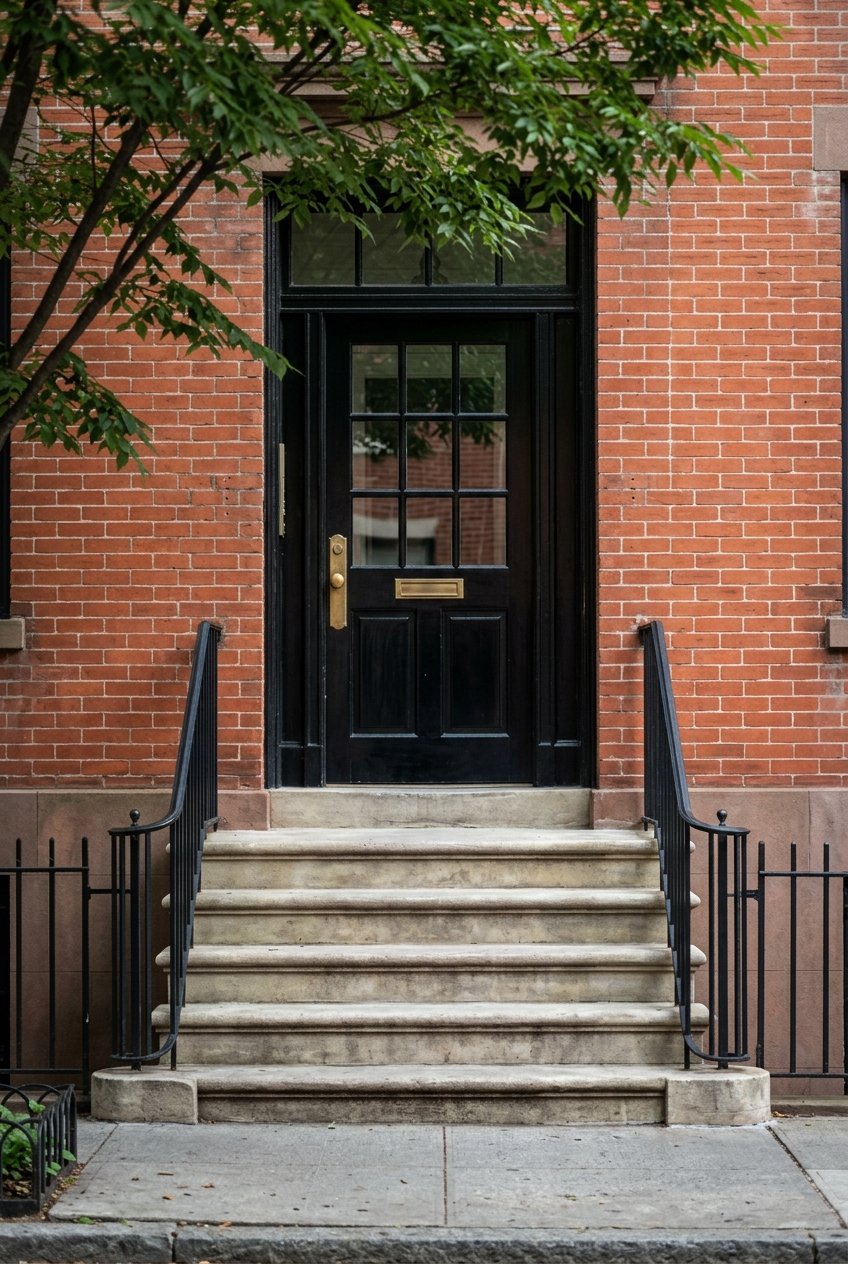
The Cortland at 555 West 22nd Street adds another expression of contextual luxury. Completed in 2022, the 25-story building contains 144 condominiums and uses red brick, limestone, and metal detailing to echo the High Line and West Chelsea’s industrial heritage.
Its amenity program is extensive, including a 75-foot pool, spa, sauna, steam room, yoga and pilates spaces, squash and basketball courts, a screening room, maker space, event lounge, and golf simulator. For buyers comparing buildings, The Cortland is a strong example of how luxury in this area often blends traditional materials with highly modern services.
520 West 28th
520 West 28th remains one of the corridor’s most recognizable addresses. Completed in 2016, it is Zaha Hadid’s only New York residential building and offers 39 residences across 21 interlaced levels.
The architecture is unmistakable, with split levels and chevron steelwork, and the amenity package includes a sky-lit 75-foot pool, spa suite, fitness center, sculpture garden, and IMAX screening room. For buyers drawn to globally known design names, this building occupies a unique place in the neighborhood.
Linea
For a more boutique option, Linea at 428 West 19th Street was completed in 2025 and includes 32 condominium homes by BKSK Architects. It is marketed as High Line-adjacent, and its roof terrace takes cues from the park by combining flora, architecture, and outdoor living space.
This kind of smaller-scale project may appeal to buyers who want newer construction and thoughtful design without the footprint of a larger tower development. It also shows that the corridor is still evolving, not frozen in one development wave.
550 West 21st Street
Another project to watch is 550 West 21st Street, a 23-story, 83-residence waterfront condominium under construction and slated for mid-2027 completion. Legion describes it as sitting between Hudson River Park and the High Line, positioning it as one of the neighborhood’s notable remaining waterfront opportunities.
For buyers with a longer timeline, this is a reminder that West Chelsea’s condo corridor still has forward momentum. New opportunities may continue to emerge, especially where river access and park adjacency overlap.
Common design themes buyers will notice
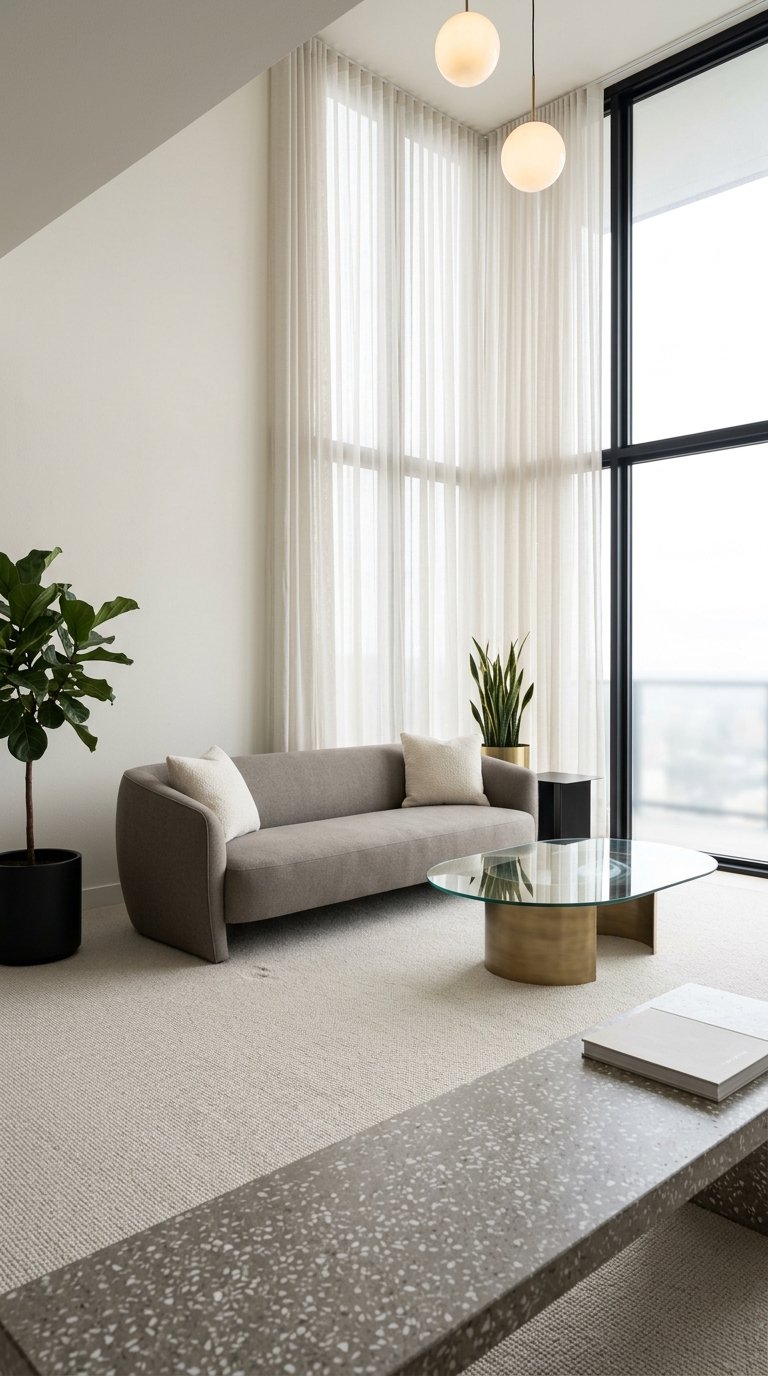
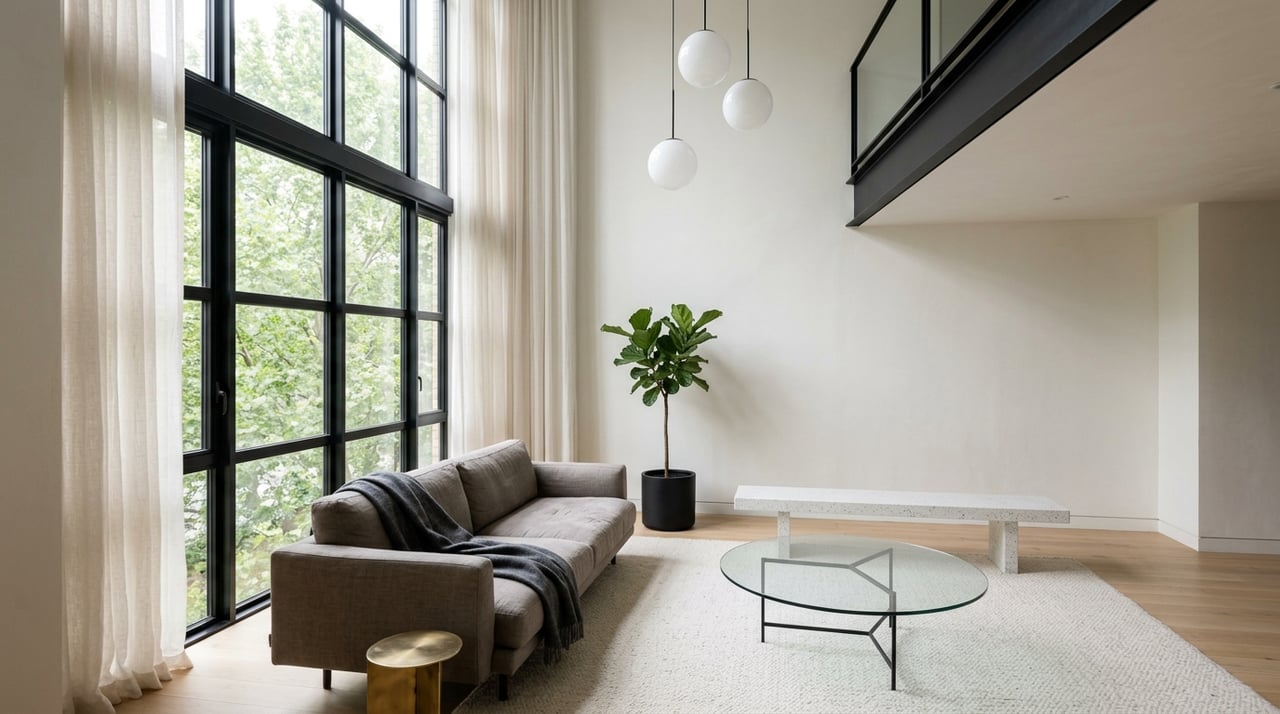
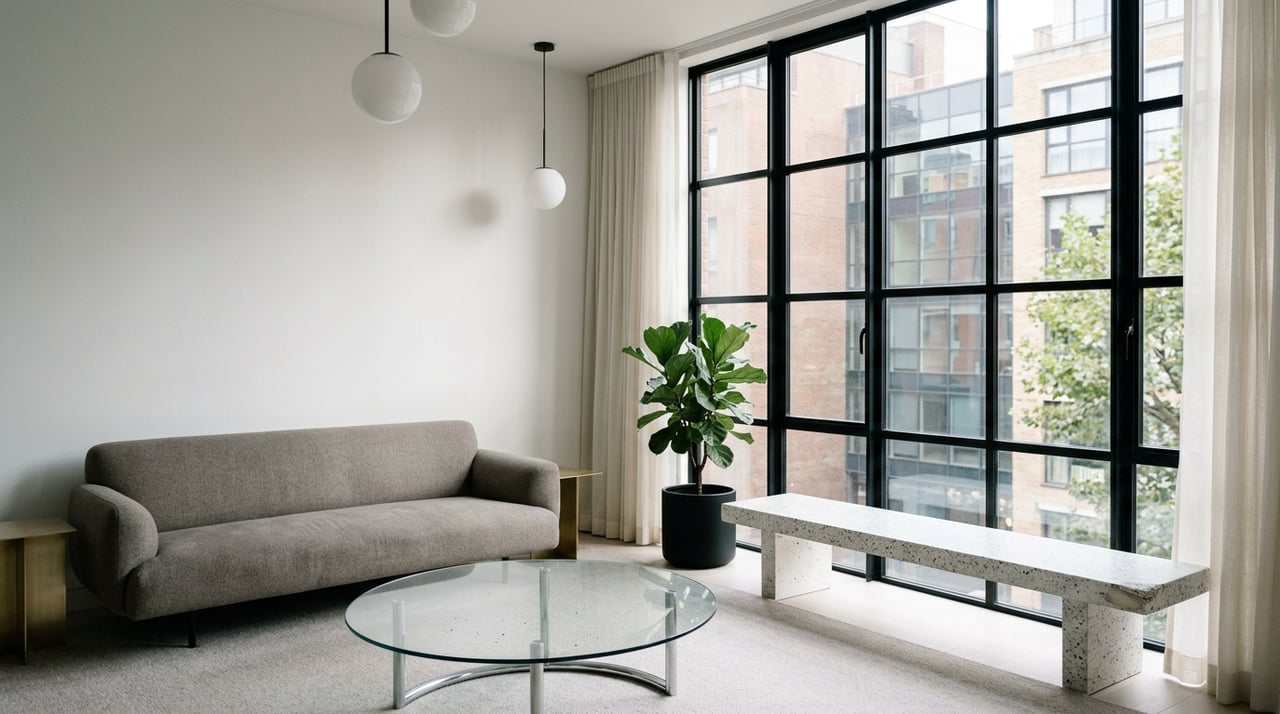
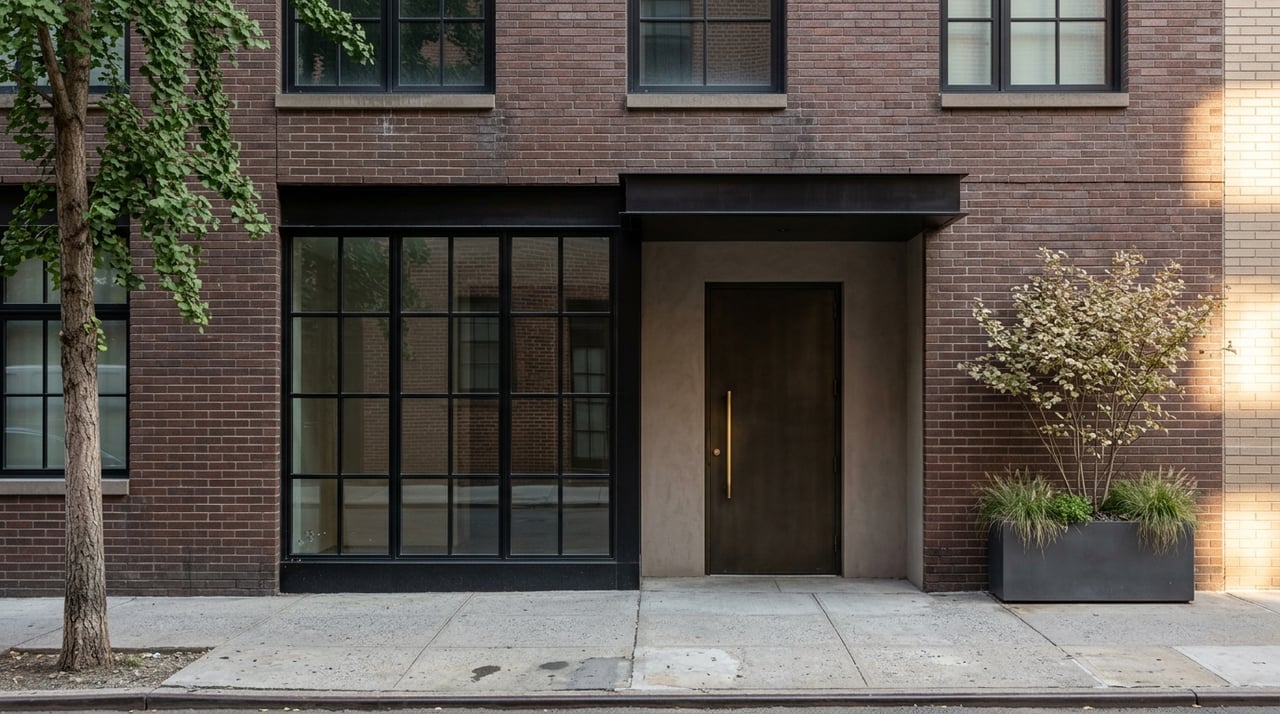
Across the corridor, there is no single formula, but there is a recognizable pattern. Project descriptions point to a design language built around brick, limestone, travertine, bronze, custom masonry, expansive glazing, terraces, and common spaces that prioritize light and views.
The bigger idea is contextual luxury. Rather than ignoring Chelsea’s industrial history, many of these buildings interpret it through refined materials, larger windows, strong geometry, and interiors that feel polished but connected to place.
For buyers, that often translates into homes that feel contemporary without feeling generic. In a market where many luxury products can blur together, that distinction matters.
Daily life near the High Line
A major part of this corridor’s appeal is what happens outside your building. Residents have dense access to both elevated and waterfront public space, which is relatively rare even in prime Manhattan neighborhoods.
According to Hudson River Park’s Chelsea neighborhood overview, the Chelsea section includes Chelsea Piers, Chelsea Waterside Park, the carousel and skatepark at Pier 62, the lawns at Piers 63 and 64, kayaking and sailing access, and a range of sports facilities. Hudson River Park spans four miles along Manhattan’s west side and receives more than 17 million visits annually.
The High Line adds a second layer of outdoor access. Instead of open waterfront fields and recreation spaces, it offers an elevated promenade shaped by horticulture, public art, and year-round programming, giving the neighborhood a very different rhythm from areas with only one major park asset.
Food, errands, and walkability
The area also benefits from strong everyday convenience. Chelsea Market describes itself as a food-centered concourse open daily from 7 a.m. to 10 p.m., with vendors, events, and retail.
For residents, that means the neighborhood supports both quick practical stops and slower social routines. You can think of it less as a purely residential enclave and more as a stacked lifestyle district, where parks, restaurants, food shopping, and cultural destinations are all part of the same walkable ecosystem.
Art remains part of the neighborhood identity
Chelsea’s gallery presence still plays a meaningful role in the character of the area. The ADAA’s 2025 Chelsea & Tribeca Gallery Walk brought together 59 member galleries for an after-hours event, while established names such as Kasmin and Miles McEnery Gallery continue to maintain multiple Chelsea spaces.
That matters because living here is not just about being near art venues in a broad sense. You are in a district where galleries remain an active, working part of neighborhood life, which gives the area a cultural energy that many buyers value.
Who this corridor may suit best
Chelsea’s High Line condo corridor may be a strong fit if you are looking for a home that blends design, service, and access to public space. It can be especially compelling if you value newer construction, strong amenities, and a neighborhood that feels both residential and connected to broader downtown life.
It may also appeal to buyers who want optionality. In this corridor, you can compare full-service developments, highly recognizable design-led buildings, and more boutique offerings, all within a relatively focused section of West Chelsea.
What to evaluate before you buy
If you are considering a purchase here, it helps to compare properties through a practical lens, not just an emotional one. A beautiful building may draw you in, but the right choice usually comes down to how the building’s features align with your actual lifestyle.
A few useful questions to ask include:
- Do you want immediate occupancy, or are you open to a future completion timeline?
- How important are full-service amenities such as pools, fitness spaces, dining, or valet parking?
- Do you prefer a larger development with extensive programming or a boutique building with fewer residences?
- Is direct proximity to the High Line, Hudson River Park, or both most important to you?
- Are architecture and brand-name design part of your decision-making process?
Because this corridor includes both established and emerging projects, informed comparison matters. The most successful purchases here usually come from matching the building to your priorities rather than chasing the broadest amenity list.
The bigger takeaway on High Line living
The strongest way to understand Chelsea’s new condo corridor is as a design-forward, park-rich, art-adjacent section of Manhattan where architecture and lifestyle are tightly linked. The High Line helped shape the development story, but the corridor’s long-term appeal comes from the combination of residential product, public space, river access, food destinations, and gallery presence.
If you are weighing a move within Manhattan or considering West Chelsea for the first time, this is one of the clearest examples of how new development can grow out of neighborhood character rather than replace it. And when you evaluate the right building with care, High Line living can offer a very specific kind of downtown experience that is hard to duplicate elsewhere.
If you want strategic guidance on buying or selling in Chelsea’s luxury market, Kathy Kaye offers discreet, high-touch advice shaped by deep Manhattan new-development and resale experience.
FAQs
What is Chelsea’s High Line condo corridor?
- Chelsea’s High Line condo corridor refers to the cluster of newer luxury condominium buildings in West Chelsea shaped by the High Line’s redevelopment and surrounding planning framework.
What kinds of buildings are in Chelsea’s High Line corridor?
- The corridor includes large full-service developments such as One High Line, design-led projects such as 520 West 28th, and boutique luxury buildings such as Linea.
What outdoor space is near West Chelsea condos?
- Buyers in this area have access to the High Line and the Chelsea section of Hudson River Park, which includes recreation areas, lawns, sports facilities, and waterfront activities.
What amenities are common in Chelsea luxury condos?
- Common amenities in this corridor include pools, fitness centers, spa facilities, screening rooms, lounges, playrooms, golf simulators, and other high-service offerings, depending on the building.
Is Chelsea’s High Line area still growing?
- Yes. The corridor continues to evolve, with projects such as 550 West 21st Street under construction and scheduled for future completion.