Dreaming of a Tribeca loft with soaring ceilings and sunlit factory windows? You are not alone. Buying a loft condo here can be thrilling, but the details behind legal status, building services, and financing can change your experience and your bottom line. This guide breaks down what truly defines a Tribeca loft, how light and layout work in these buildings, and what to verify before you make an offer. Let’s dive in.
What makes a true Tribeca loft
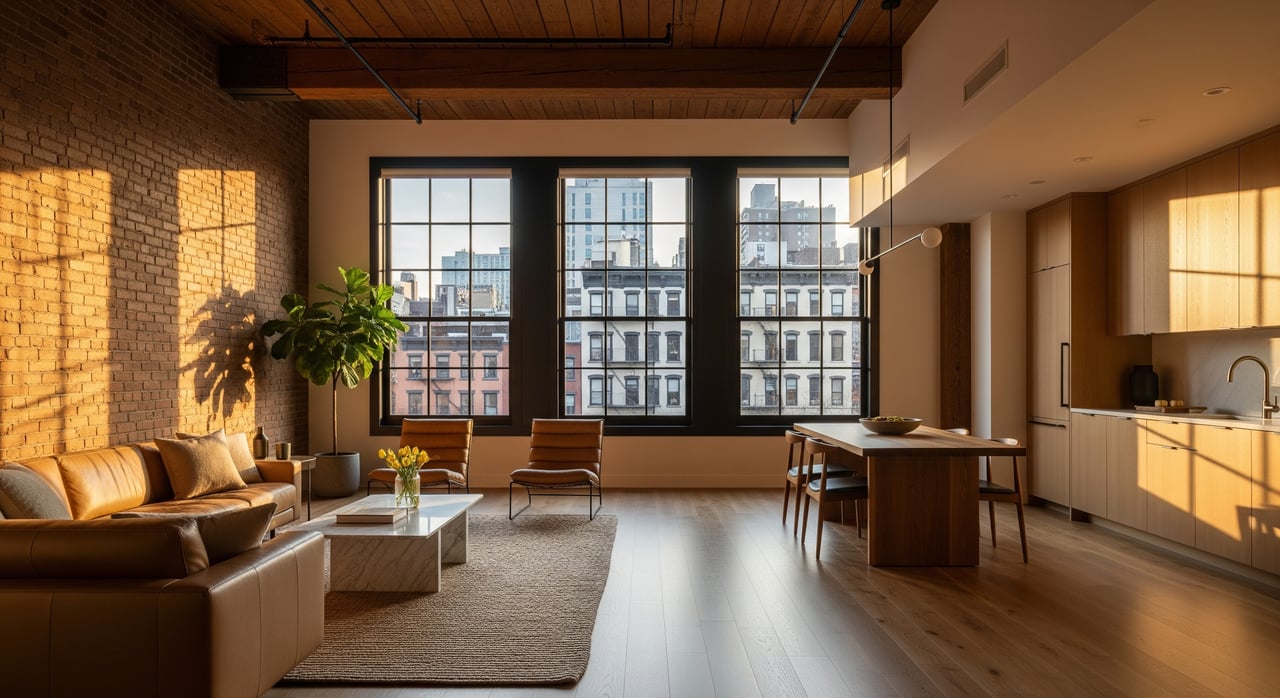
Tribeca’s lofts started life as factories and warehouses. When these buildings were converted for living, they kept signature elements like open floor plates, exposed beams, and big windows. A “hard” or true loft means the unit sits in a converted industrial or commercial building. A “soft” loft is new construction designed with loft-like features.
The look is only half the story. You also need to confirm the unit’s legal residential status. Some older conversions were lived in before they had a residential Certificate of Occupancy. New York created the Loft Law to guide legalization and protect tenants in certain buildings known as Interim Multiple Dwellings. Learn how legalization works on the NYC Loft Board and New York State Loft Law overview pages.
A valid residential Certificate of Occupancy shows a building is approved for living. You can review CO basics through the NYC Department of Buildings. This status affects daily use, required safety upgrades like sprinklers and exits, and whether a lender will approve your mortgage.
Space and layout you can expect
Ceiling height and structure
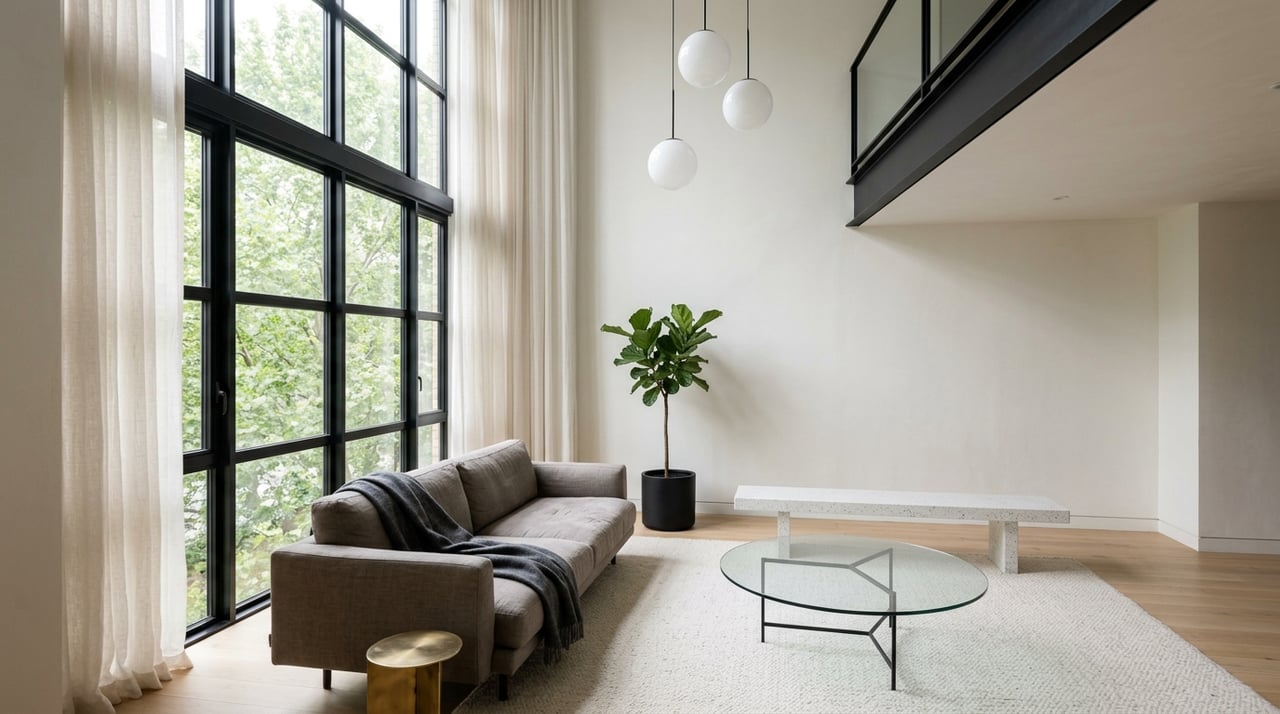
Many Tribeca hard lofts offer ceilings around 10 to 14 feet, with some double-height volumes reaching 15 to 20 feet or more. Exposed columns, beams, and brick deliver character and scale. These structural elements are fixed, so they can guide how you place rooms, lighting, and storage.
High ceilings change how a space feels and functions. They can make rooms feel larger, improve daylight reach, and allow for mezzanines. They can also increase heating and cooling volume, so you should confirm mechanical capacity when you tour.
Floor plans and privacy
Open living spaces are common. Kitchens often sit within a great room, and bedrooms may use partial walls, glass partitions, or lofted platforms. You will see studios and one-bedrooms as well as larger units where interior framing created two or more sleeping areas.
If you need quiet rooms for sleep or work, check how walls are constructed and whether doors fully enclose bedrooms. Look for smart storage solutions and closet placement. Measure carefully, including any mezzanines, so you understand usable floor area.
Mechanical systems to review
Older conversions can have mixed HVAC setups such as through-wall units or retrofitted central systems. Ask whether HVAC, plumbing, and electrical were upgraded to residential standards during legalization. Inspect the electrical panel capacity, domestic hot water, and window seals. Small mechanical details can affect comfort and ongoing maintenance.
Light and exposure in Tribeca
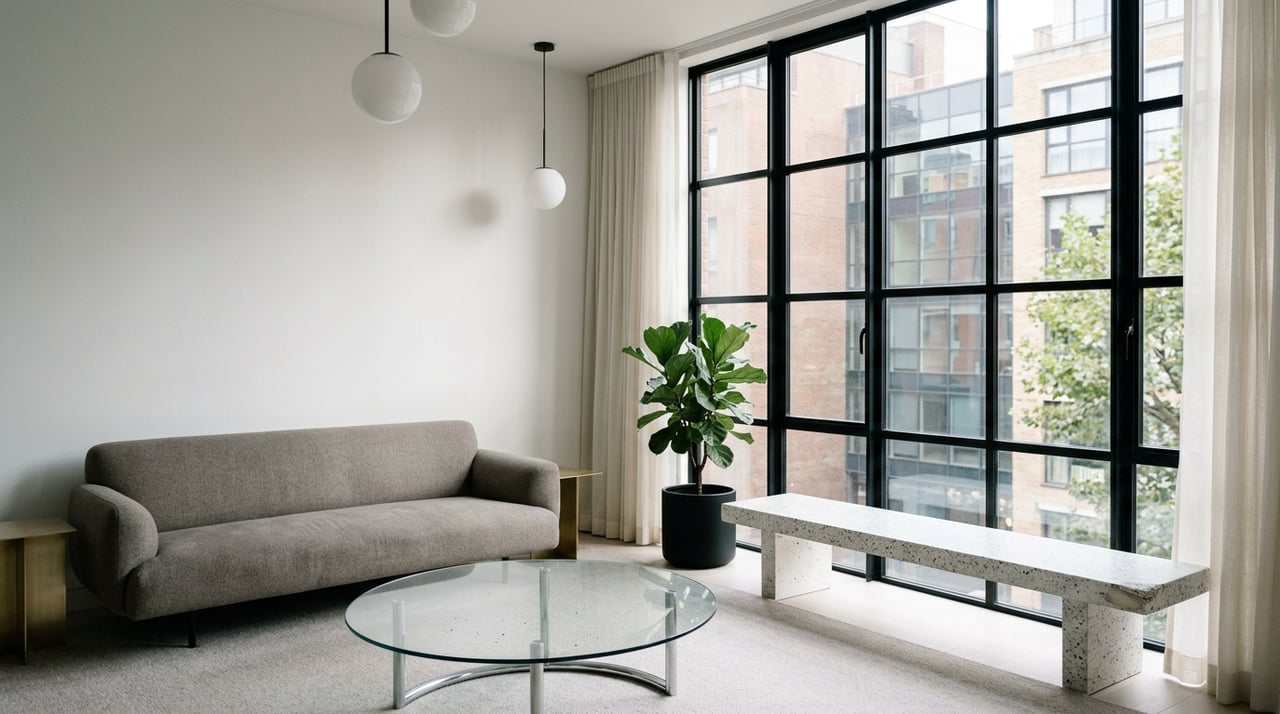
Tribeca sits along the Hudson, so west-facing units can capture sunsets and river views. That afternoon light can also create glare, which you can manage with shades and finishes. South-facing windows usually bring steady daylight throughout the day, while north-facing exposures offer cooler, even light.
Many historic buildings have deep floor plates. Large factory windows pull in strong light near the facade, but interior areas can run darker. Visit at different times, morning and late afternoon, to see real conditions. Higher floors often enjoy more sky and light, though nearby towers can cast shade on mid-level floors in parts of downtown.
Before you commit, look up any nearby developments that could impact future light. Consider how ceiling height, wall color, and reflective finishes shape brightness inside a long room.
Building types, services, and daily living
Converted lofts range from minimal-service buildings to fully modern condos with doormen, gyms, roof decks, bike rooms, and sometimes parking. Newer soft-loft condos tend to include consistent amenity packages and more predictable mechanicals.
Ownership structures also differ. In a condominium, you own real property and a share of the common elements, which can be easier to finance and resell. In a cooperative, you buy shares and receive a proprietary lease, and the board approves buyers and sets house rules. Some mixed-use buildings operate as a condop, a hybrid where a coop sits above a condo commercial base.
Older loft conversions can come with building-wide obligations. Code upgrades like sprinklers, window replacements, or egress improvements may lead to special assessments. Freight elevators, limited passenger service, and acoustics can affect convenience and noise. Ask targeted questions about common areas, elevator reliability, and soundproofing.
Financing and appraisal basics for loft buyers
Lenders look for clear legal use. A residential Certificate of Occupancy and complete building documentation are key for conventional loans, and they are essential for many jumbo products that are common at Tribeca price points. If the unit was covered by Loft Law legalization, request the building’s documentation early and share it with your lender. You can review mortgage fundamentals on the Consumer Financial Protection Bureau’s homebuying hub.
Underwriting often reviews the offering plan, financial statements, litigation, investor-ownership percentage, and commercial use ratios. FHA and VA products may have added restrictions, especially in buildings with significant commercial space. Engage your lender at the start and clarify product eligibility for condo, co-op, or special legalization cases.
Appraisers use comparable sales and then adjust for unique traits. Features like high ceilings, expansive windows, and open plans can support value. Irregular layouts, limited bedrooms, or older mechanicals can limit it. Square footage in New York is often approximate, and mezzanines or double-height spaces can complicate price-per-square-foot comparisons. Legal status, documentation, and building health matter as much as aesthetics for both financing and resale.
Pre-offer checklist for Tribeca loft condos
- Confirm legal residential status and the Certificate of Occupancy. If the building was legalized under the Loft Law or is an Interim Multiple Dwelling, request and review documentation. Use the NYC Loft Board, HCR Loft Law overview, and NYC Department of Buildings as references.
- Ask for the most recent condo or co-op offering plan, bylaws, financials, reserve study, current budget, and any pending assessments or litigation.
- Verify elevator type and service. Confirm whether there is a passenger elevator and freight elevator, and whether access is guaranteed to your line.
- Measure ceiling heights and interior dimensions, including any mezzanines. Note how structure and columns affect furniture placement and room creation.
- Inspect mechanicals. Check HVAC type and capacity, domestic hot water, electrical panel size, and whether there is in-unit laundry or building laundry.
- Test sound at different times. Inspect window glazing and seals, and check for any signs of water infiltration around large factory windows.
- If you will finance, pre-clear the property type with your lender. Confirm eligibility for conventional, jumbo, or portfolio loans and understand co-op board requirements if applicable.
Tribeca vs other downtown options
If you prioritize authentic industrial character, hard-loft conversions in Tribeca are hard to match. You will find tactile materials, volume, and distinctive windows that define the neighborhood’s identity. Newer downtown neighborhoods often deliver more standardized amenities, newer mechanicals, and consistent services.
Liquidity and resale can differ. Highly idiosyncratic lofts with irregular layouts may appeal to a narrower pool than modern condos with conventional bedroom counts. Well-documented, full-code loft condos with strong amenity packages often attract a broader audience, which can support a cleaner resale path.
Work with a Tribeca-savvy advisor
Buying a loft condo is part design choice and part due diligence. You want to see the artful details, and you also want clarity on legal status, building health, and financing fit. An experienced advisor can connect the dots between architectural character and lender-ready documentation, then negotiate the details that matter.
If you are exploring Tribeca lofts, connect with Kathy Kaye for strategic guidance and a confidential consultation. You will get boutique, high-touch service backed by institutional expertise and global reach.
FAQs
How do I confirm a Tribeca loft is legal for financing?
- Ask for the residential Certificate of Occupancy, request any Loft Law or Interim Multiple Dwelling documentation, and engage your lender early to confirm product eligibility; see the NYC Department of Buildings and NYC Loft Board for background.
Do high ceilings in loft condos raise appraisal value?
- High ceilings often increase desirability and can support value through comparable sales adjustments, but appraisers still rely on market evidence rather than a simple height-based multiplier.
How should I evaluate natural light in a Tribeca loft?
- Visit twice, morning and late afternoon, note orientation and window size, assess depth from windows to interior rooms, and check for nearby buildings that might shade the unit in the future.
Are Tribeca lofts typically noisy?
- Noise varies by wall construction, window glazing, street activity, and proximity to building mechanicals, so test sound at different times and ask about any acoustic upgrades.
Should I expect special assessments in older loft conversions?
- It is possible, especially for code upgrades like sprinklers, windows, or egress; review building financials, minutes, and any stated capital plans before you sign.
Is a condo or a co-op better for resale in Tribeca?
- Condos generally have wider lender acceptance and can be easier to resell, while co-ops may have stricter board approvals and resale constraints that affect timelines and buyer pool size.