Buying in Nolita moves fast, and the best opportunities can feel like they vanish overnight. If you are hearing the term sponsor unit and wondering whether it can help you secure a downtown home or investment with less friction, you are not alone. Sponsor sales can deliver speed and flexibility, but they work differently than a typical resale. This guide breaks down what a sponsor unit is, how these deals work in Nolita, what to watch for, and how to prepare. Let’s dive in.
What a sponsor unit is
A sponsor unit is a home still owned by the sponsor, usually the developer or the entity that controlled the building during a conversion. When you buy a sponsor unit, you are purchasing directly from that sponsor rather than from an individual owner. The sale is often governed by the building’s offering plan and any amendments filed with the New York State Attorney General. You should review that plan and the governing documents before you sign a contract.
In Nolita, you will see sponsor units in both condominiums and cooperatives, especially in boutique conversions and smaller condo buildings. Because building documents set the rules, the steps and requirements for your purchase can vary from one address to the next.
Condo vs co-op differences
In condominiums
Condo sponsor sales often feel similar to standard condo resales. You typically enter into a condominium purchase contract, and closings can move quickly. Formal board interviews are less common in condos, though governing documents vary by building.
In cooperatives
Co-op sponsor sales can vary widely. Some co-ops require a form of board approval for transfers, while others exempt sponsor sales from full interviews until control shifts. The only way to know for sure is to check the offering plan, proprietary lease, bylaws, and house rules for the specific co-op.
Bottom line
Requirements differ by building type and documentation. Do not assume a condo or co-op will follow a single pattern. Verify the details in the offering plan and corporate documents and work with a local real estate attorney.
Why buyers choose sponsor units
- Speed. Sponsors can coordinate required documents and may close faster than a resale, which helps if you need certainty on timing.
- Fewer or different approvals. Many condo sponsor deals do not require a co-op style interview. Co-op rules vary, so confirm early.
- Price opportunities. Sponsors sometimes offer competitive pricing or small concessions, especially when moving the last units in a sales cycle.
- Inventory and choice. You may find unique layouts, combined homes, or specific finish packages not available in the resale market.
- Predictable paperwork. Sponsors often use standardized contracts and addenda, which can streamline the deal.
Trade-offs to consider
- Condition and finishes. Many sponsor units are sold as-is. If finishes are incomplete, you will rely on the offering plan and specs, plus a final punch list.
- Limited negotiation. Sponsors usually use their own contract forms and may offer fewer concessions on terms or closing costs.
- Disclosure and recourse. Your remedies for defects depend on the offering plan, the contract, and any warranties. Post-closing obligations can be limited by time.
- Building control and reserves. If the sponsor still owns many units, that control can affect reserves, common charges, and future governance.
- Financing limits. Some lenders add extra conditions for new conversions or buildings with unsold inventory. Underwriting can take longer or require more documentation.
- Hidden costs. Confirm any underlying mortgages, easements, unpaid assessments, flip taxes, or special allocations that may impact monthly charges.
Your due diligence checklist
Core documents
- Offering plan and all amendments filed with the New York State Attorney General.
- Condo declaration, bylaws, and house rules, or co-op proprietary lease, bylaws, and house rules.
- Sponsor’s schedule of finishes, scope of work, and a draft punch list.
- Building financials: most recent audited or reviewed statements, current budget, reserve study if available, and rent roll if the building has rental units.
- Certificate of occupancy or temporary certificates, plus Department of Buildings filing history.
- Title report covering mortgages, liens, and easements.
- Recent board minutes, managing agent agreement, and any pending litigation.
- Property taxes and any abatements that transfer with the unit.
- Common charges or maintenance schedule, assessment history, and any known future assessments.
- Developer warranties and insurance coverage for systems and structure.
Inspections and walk-throughs
- If finishes are incomplete, review allowance letters and finish selections in writing.
- Schedule a final walk-through and document all punch list items to be resolved before or at closing.
- For older conversions, check for code or DOB violations and the history of prior renovations.
- Consider independent contractor reviews if substantial work remains.
Financing and tax items
- Confirm early that your lender will underwrite sponsor units in the specific building, especially if there is unsold inventory.
- Review who pays NYC and NYS transfer taxes and other closing costs. The contract will set these terms.
- If you plan to rent, verify sublet rules, minimum lease terms, and any building restrictions on short-term rentals.
Contract terms to watch
- Contingencies and timelines for financing, attorney review, and inspections.
- Warranties, repair obligations, and deadlines for claims.
- Closing dates, deposit structure, escrow provisions, and default remedies.
- Flip taxes or sponsor-related transfer fees, if any.
Timeline: sponsor vs resale
- Sponsor condo sales. Closings can be as quick as 30 to 60 days from contract, depending on your financing and the sponsor’s schedule.
- Sponsor co-op sales. Timelines vary. If the building requires board approval, expect added time. If sponsor transfers do not require full approvals, the process can be faster.
- Standard co-op resales. Because of full board reviews and interviews, closings commonly take 60 to 90 days or more.
- Standard condo resales. These can be similar to sponsor condo timelines but may take longer if lender underwriting or pre-closing repairs slow the process.
Actual timing depends on documentation, lender review, sponsor requirements, title, and contingencies. Build in a cushion if you are financing or completing punch list work.
Nolita-specific context
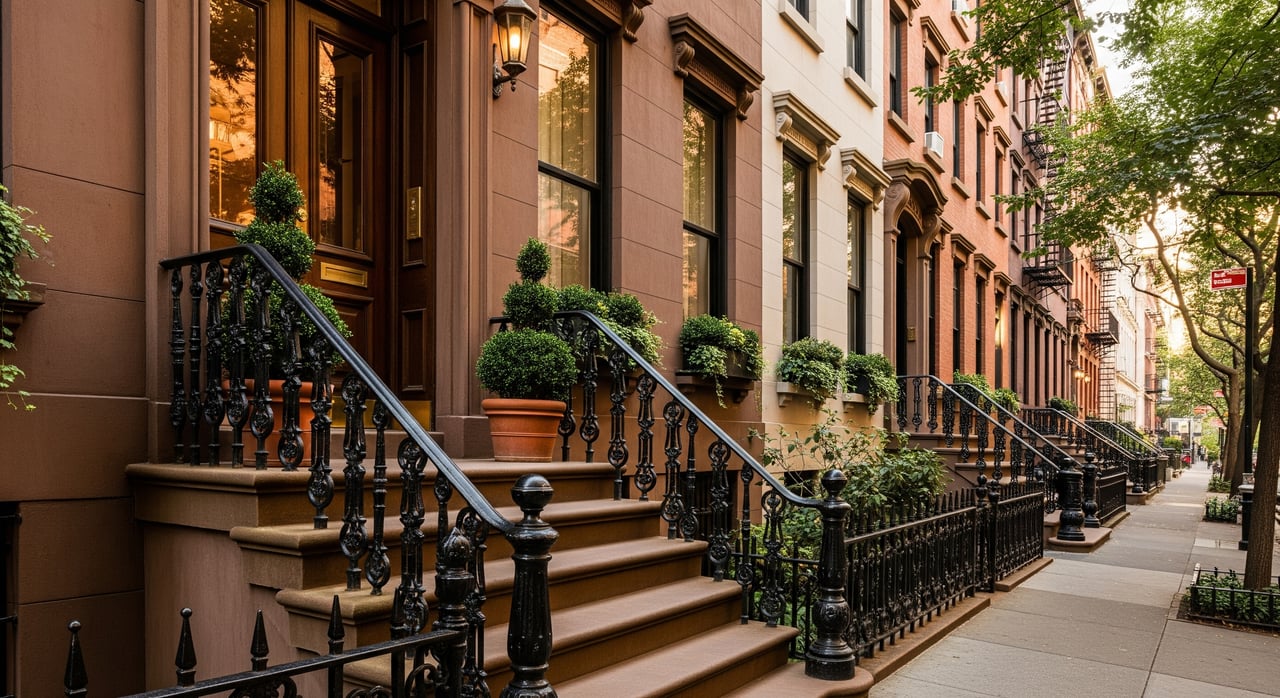
Nolita sits north of Little Italy and east of SoHo, with a mix of walk-ups, converted lofts, small condo conversions, and a handful of modern boutique condos. Many buildings are small, which means fewer total units and tighter resale supply. When a sponsor unit appears, it may be one of the few options with immediate availability.
Boutique buildings can also mean thinner reserves or lean management teams. Review audited financials and management agreements carefully. Investors should verify rental policies before you make an offer. Homeowners should look at owner-occupancy levels, renovation rules, and pet policies to be sure the building fits your plans.
Is a sponsor unit right for you?
Choose a sponsor unit if you value speed, want a specific layout or finish package, or prefer less board friction in a condo context. You should be comfortable with as-is conditions and sponsor contract terms, and ready to follow a clear punch list process.
Consider a resale if you prioritize fully finished condition, extensive post-closing warranties, or a building where the sponsor no longer has meaningful control. A well-documented resale in a building with strong, stable financials may better match a conservative approach.
If you are serious about a Nolita sponsor unit, line up your team early. Work with a local attorney experienced in offering plans and sponsor contracts, speak with a lender familiar with new conversions, and coordinate a thorough document review. With the right preparation, you can capture the speed and flexibility of a sponsor deal while managing the risks.
Ready to evaluate a specific sponsor opportunity or compare it to a resale path? Request a confidential consultation with Kathy Kaye to review building documents, timelines, and strategies tailored to your goals.
FAQs
Do Nolita sponsor units always skip board approval?
- Not always. Condos often have fewer formal approvals than co-ops, but each building’s offering plan and governing documents control. Verify requirements for the specific address.
Are sponsor units in Nolita cheaper than resales?
- Sometimes, especially late in a sales cycle, but not always. Pricing depends on inventory, market conditions, and the sponsor’s strategy.
Can you finance a sponsor unit in a boutique building?
- Often yes, but lenders may add conditions for new conversions or buildings with unsold inventory. Confirm underwriting early with your lender.
What will the sponsor fix after closing?
- It depends on the contract, offering plan, and any builder warranties. Document punch list items and warranty time frames in writing before you close.
Are sponsor units riskier than standard resales?
- They can be if you are not prepared. The main risks are as-is condition, sponsor control of the building, and more complex disclosures. Strong legal and document review helps manage these risks.