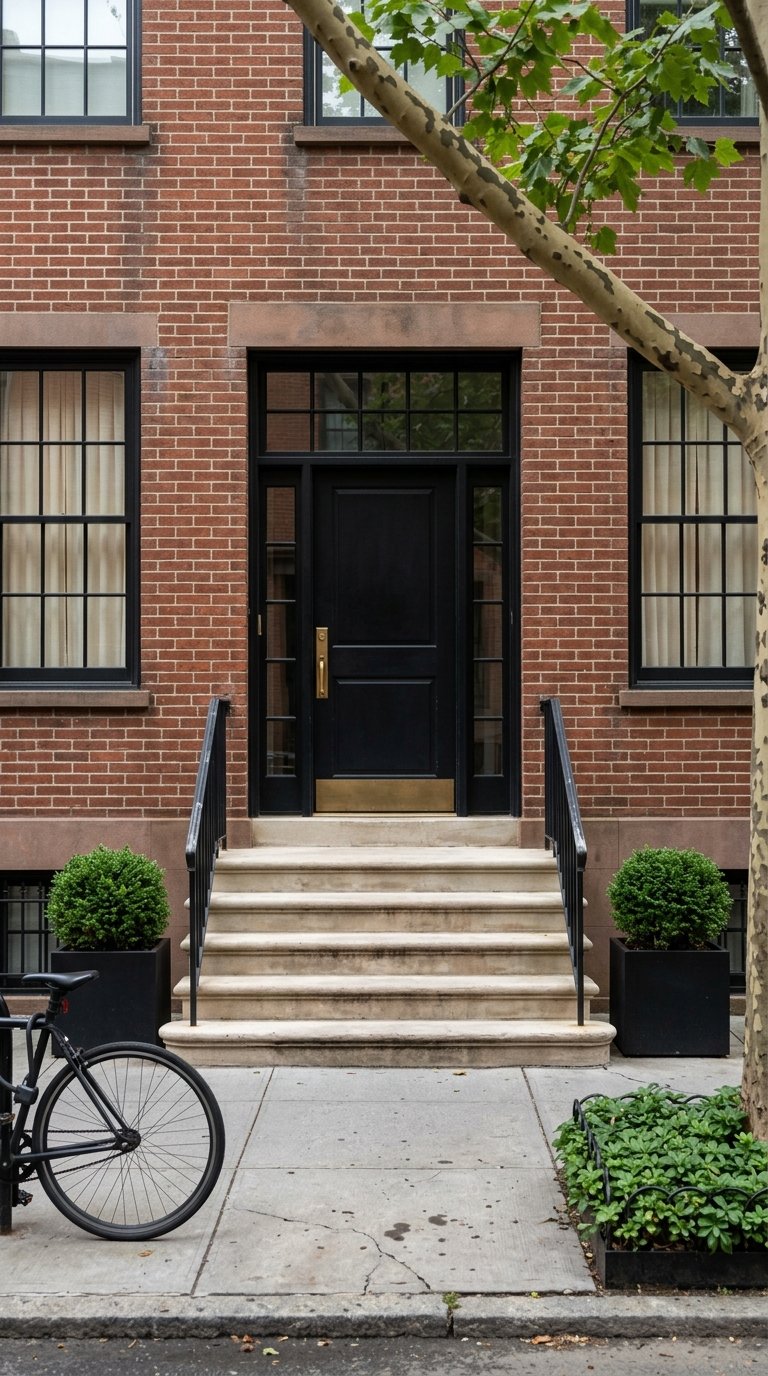
If you are considering Greenwich Village for an upscale Manhattan purchase, one question shapes almost everything that follows: should you buy a co-op or a condo? In this neighborhood, that choice affects not just your budget, but also your approval timeline, flexibility, amenities, and long-term fit. Greenwich Village offers a rare mix of classic prewar character, park-adjacent addresses, and full-service luxury buildings, so it helps to understand how the market really works before you begin. Let’s dive in.
Why Greenwich Village Stands Out
Greenwich Village remains one of Manhattan’s most competitive and expensive neighborhoods. According to StreetEasy’s Greenwich Village neighborhood data, the median sale price is about $1.4 million, with a median of 79 days on market. PropertyShark’s February 2026 snapshot points in a similar direction, reinforcing the area’s premium pricing.
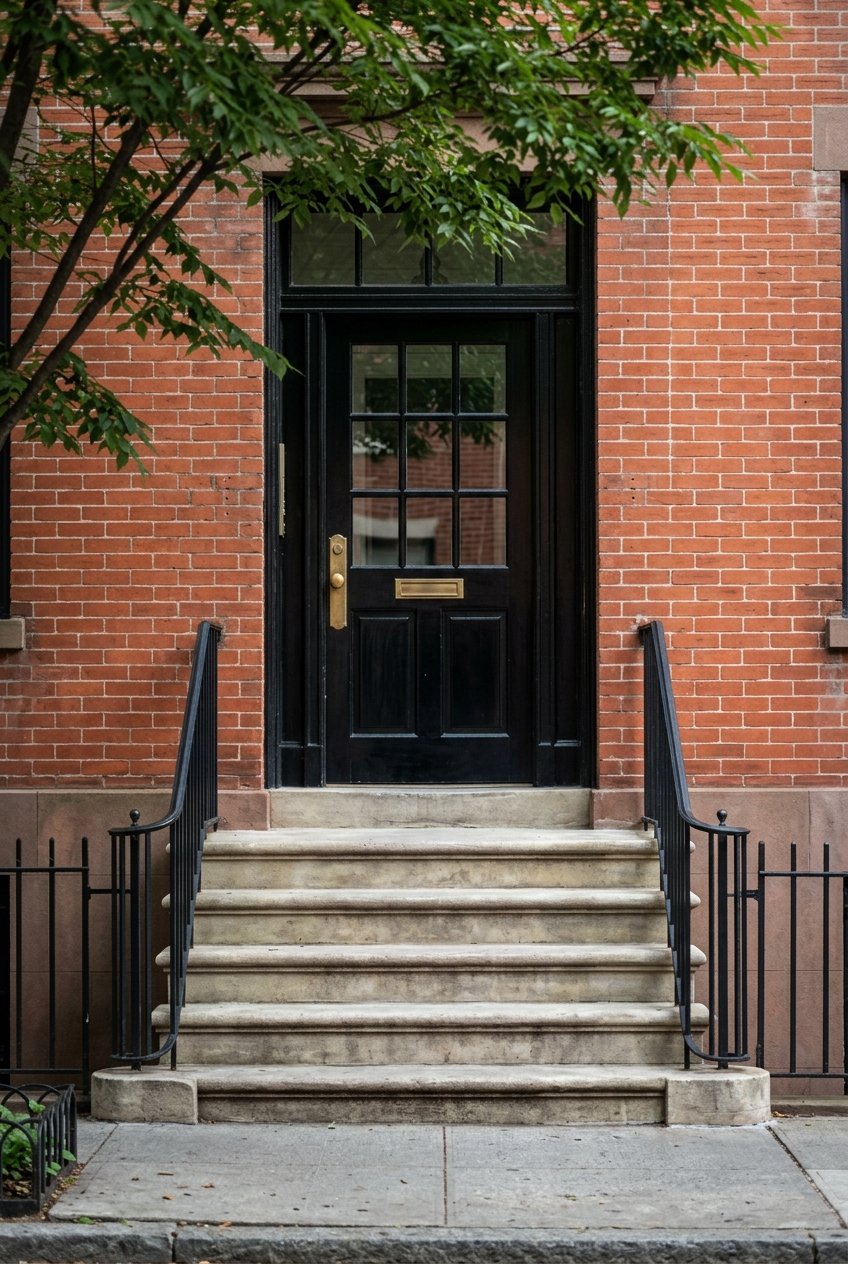
Part of the appeal is the neighborhood’s built environment. StreetEasy describes Greenwich Village as a mix of upscale co-ops, townhouses, and classic walk-ups, with much of the housing stock dating older rather than newer. For you as a buyer, that often means charm, detail, and strong architectural identity, but also fewer cookie-cutter towers and more building-by-building differences.
Co-ops Lead the Market
If you are searching seriously in Greenwich Village, you will quickly notice that co-ops dominate the inventory. Current StreetEasy listing counts show far more co-ops than condos, and that matches the neighborhood’s long-standing housing profile. In practical terms, you are likely to have more choices if you are open to co-op ownership.
That inventory gap also affects pricing. PropertyShark’s February 2026 transaction snapshot showed 39 co-op sales versus 15 condo sales, with a median sale price of $1.1 million for co-ops and $4.9 million for condos. Because the condo sample is small, that condo median should be treated as a volatile snapshot, not a fixed benchmark, but it still highlights a clear trend: condos are typically scarcer and more expensive in Greenwich Village.
Co-op vs Condo: The Real Difference
For many upscale buyers, the biggest distinction is governance. A co-op purchase usually involves board review, a detailed application package, financial disclosure, references, and often an interview. The Council of New York Cooperatives & Condominiums board admissions guide notes that boards can withhold consent and that a response may take about six weeks after a complete package is received.
Condo purchases are usually more straightforward. As summarized in the same co-op admissions guidance, condo boards generally do not approve or deny buyers in the same way and are often limited to a right of first refusal. If your priorities include flexibility, speed, or a simpler closing path, that difference can matter as much as price.
Why board culture matters
Not all co-ops operate the same way. In Greenwich Village, one building may allow more financing flexibility while another may have stricter policies on subletting or purchase structure. For example, 35 West 9th Street advertises up to 75% financing and permits guarantors, while 250 Mercer Street offers an unlimited sublet policy after two years of ownership.
That variation is important because it means your search should not stop at location and layout. You also need to understand building rules, approval expectations, and how the board’s culture lines up with your goals.
What Amenities Look Like Here
Greenwich Village is not a one-note luxury market. Some buyers picture a charming walk-up with original detail, while others want full-service living with a doorman, roof deck, and fitness space. In this neighborhood, both can exist within a few blocks of each other.
Buildings like 250 Mercer Street and 40-50 East 10th Street reflect the full-service co-op model, with features such as doorman coverage, live-in superintendent service, roof decks, storage, and additional resident amenities. On the condo side, buildings such as 130 West 12th Street and The Village West reflect a more contemporary full-service approach, with amenities that may include gym space, storage, and lifestyle-oriented services.
The walk-up tradeoff
Older walk-up inventory remains a defining part of Greenwich Village. StreetEasy’s neighborhood overview notes that many homes are in older buildings, and some apartments may have smaller kitchens and bathrooms. That can be part of the neighborhood’s appeal, but it also helps explain why full-service properties with classic architecture often command a premium.
What Your Budget Can Buy
Your budget shapes not just square footage, but often property type, service level, and flexibility.
Under $1 million
In this range, you will mostly see studios and compact one-bedrooms, usually in older co-ops, with the occasional small condo. StreetEasy examples under $1 million have included homes such as 211 Thompson Street at $400,000, 54 East 8th Street at $575,000, a studio co-op at 250 Mercer Street at $699,000, and a studio condo at 184 Thompson Street at $850,000.
If you want a Greenwich Village foothold with strong location appeal, this band can offer entry points, but inventory tends to be compact and selective.
$1 million to $2 million
This is where options begin to improve meaningfully. You may find better one-bedrooms, some smaller two-bedrooms, and a broader set of prewar co-ops. Current examples on StreetEasy include 35 East 10th Street at $1.249 million, 250 Mercer Street at $1.495 million, 30 East Ninth Street at $1.55 million for a two-bedroom co-op, and 8 Union Square South at $1.788 million for a one-bedroom condo.
A practical takeaway here is that co-ops typically offer more choice and often more space in this price range, while condo inventory thins out more quickly.
$2 million to $4 million
In this range, the search starts to feel more fully luxury-oriented. You may see true two-bedrooms, larger prewar layouts, and the first meaningful group of full-service condos. StreetEasy condo inventory in Greenwich Village has included offerings such as 26 West 9th Street from $2.05 million to $2.2 million and 525 Sixth Avenue listings around $3.325 million to $3.85 million, alongside larger co-op options such as 20 East 9th Street at $3.695 million.
For many upscale buyers, this is the range where the co-op versus condo decision becomes especially strategic rather than purely financial.
$4 million and up
At the top end, Greenwich Village offers trophy homes, park-adjacent residences, and larger full-service product. Examples include 88 Washington Place, a three-bedroom condo listed at $4.25 million with a virtual doorman, gym, storage, and resident garden, and 32 Washington Square West at $4.925 million, a five-bedroom co-op on the northwest corner of Washington Square Park.
In this category, location within the neighborhood, service level, and building prestige can all have an outsized effect on value.
What Drives Value in Greenwich Village
Greenwich Village pricing is not just about bedrooms and finishes. Several location and building-level factors can materially shape value.
Washington Square Park proximity
Washington Square Park sits at the center of the neighborhood and remains one of its strongest anchors. StreetEasy describes it as the heart and soul of Greenwich Village, and listings near the park frequently highlight that proximity. Based on how often current listings emphasize park adjacency, it is reasonable to view it as a meaningful pricing influence.
Transit access
Transit is another core driver. The MTA subway maps place stations such as 8 St-NYU, Christopher St-Stonewall, W 4 St-Washington Sq, and 14 St-Union Sq within easy reach. For you as a buyer, that means the neighborhood offers a rare balance of historic character and broad downtown connectivity.
Landmark status
Historic district status can also affect your search. The Landmarks Preservation Commission notes that the Greenwich Village Historic District was designated in 1969 and includes more than 2,000 buildings across 65 blocks, making it the largest historic district in New York City. LPC also states that designated properties and buildings within historic districts are subject to review for certain exterior alterations, reconstruction, demolition, or new construction.
If you are renovation-minded, landmark status is not just a point of interest. It is a practical filter that can affect timelines, design scope, and approvals.
How to Search More Strategically
In Greenwich Village, the smartest search often starts with priorities, not listings. Ask yourself what matters most:
- Maximum flexibility, which often points toward condos
- Classic Village character, which often points toward co-ops and prewar stock
- Full-service amenities, which narrows the field within both categories
- Park adjacency, especially near Washington Square Park
- Transit convenience, for frequent commuters or dual-neighborhood lifestyles
- Renovation potential, especially where landmark review may matter
For upscale buyers, the goal is usually not just to find a beautiful apartment. It is to find the right fit between ownership structure, building culture, and long-term use.
A disciplined search can save you time, reduce friction, and help you focus on properties that truly align with your objectives. If you want a strategic, discreet approach to buying in Greenwich Village, Kathy Kaye offers the kind of market insight and high-touch guidance that can make a complex Manhattan purchase feel much more manageable.
FAQs
What is the main difference between Greenwich Village co-ops and condos?
- Co-ops usually require board approval, a full application package, and often an interview, while condos generally have a lighter review process and more flexibility.
Are co-ops more common than condos in Greenwich Village?
- Yes. Current StreetEasy inventory shows substantially more co-op listings than condo listings in Greenwich Village.
What can you buy in Greenwich Village for under $2 million?
- Most options under $2 million include studios, one-bedrooms, and some smaller two-bedrooms, with co-ops generally offering more inventory than condos.
Does living near Washington Square Park affect Greenwich Village prices?
- Park proximity appears to be a meaningful value driver, as listings near Washington Square Park often highlight that location prominently.
Do Greenwich Village historic district rules matter for buyers?
- Yes. If you plan to renovate, landmark status can affect what kinds of exterior changes or construction work require review.
Is Greenwich Village a good fit if you want a full-service building?
- Yes, but inventory is selective. The neighborhood includes full-service co-ops and condos, though many buildings are older walk-ups without extensive amenities.